


In a world of fast trends and constantly changing fashion, there are things that do not lose relevance for years. Cotton belongs to such materials. It is chosen for comfort, practicality, and the ability to easily fit into an everyday wardrobe. Cotton clothing is worn at any age, in different seasons, and for various situations — from relaxing at home to office outfits. And although modern fabrics are constantly improving, cotton still remains one of the main foundations of a basic wardrobe.
What is cotton
To understand what cotton is, it is worth mentioning the origin of the fiber.
Cotton is a natural fiber of plant origin
Cotton is a natural material of plant origin obtained from cotton bolls. Simply put, it is plant fluff that protects the seeds. When the boll ripens, it opens into a soft white cloud. Thanks to its naturalness, cotton fabric is considered comfortable for daily wear and pleasant to the body. It has been used in the textile industry for many centuries and still remains one of the most popular materials in the world.
How cotton material turns into fabric for clothing
After processing, the fibers are transformed into threads, and then into fabric for clothing. This is how familiar T-shirts, shirts, hoodies, dresses, or home textiles appear. Depending on the type of weaving and density, the fabric can be light, thin, durable, or even textured.
Why cotton remains popular in the wardrobe
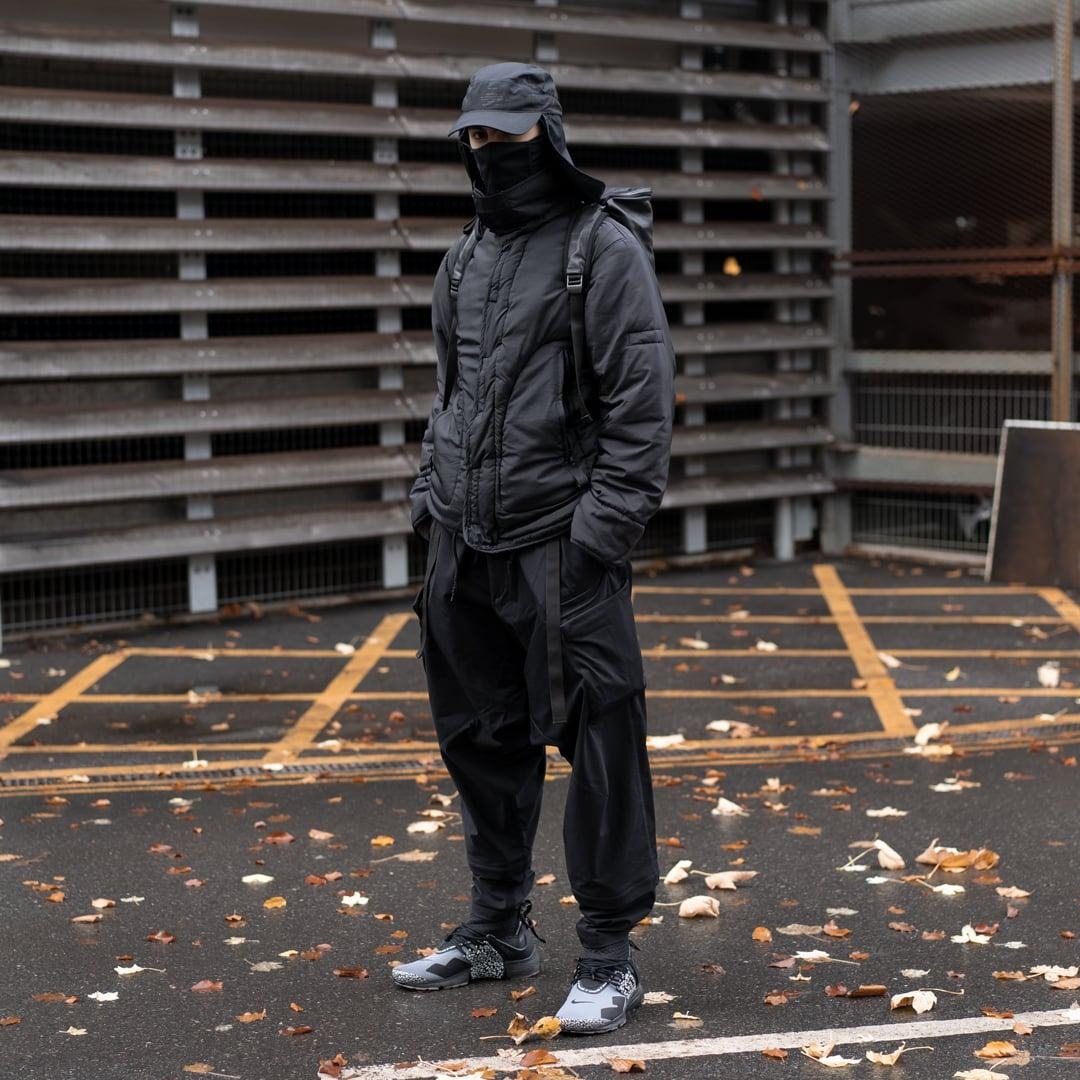
The popularity is explained very simply — the material combines softness, versatility, and practicality. It easily adapts to the modern lifestyle and works well for an everyday wardrobe.
Cotton fabric: the main properties of the material
When exploring the question of what cotton fabric is, it is important to consider its characteristics.
Softness and comfort against the body
Cotton fabric is associated with comfort in everyday life. It feels pleasant against the skin, does not create a “greenhouse effect,” and is well suited for long-term wear. That is why cotton material is often used in basic garments that people wear regularly.
Breathability and moisture absorption
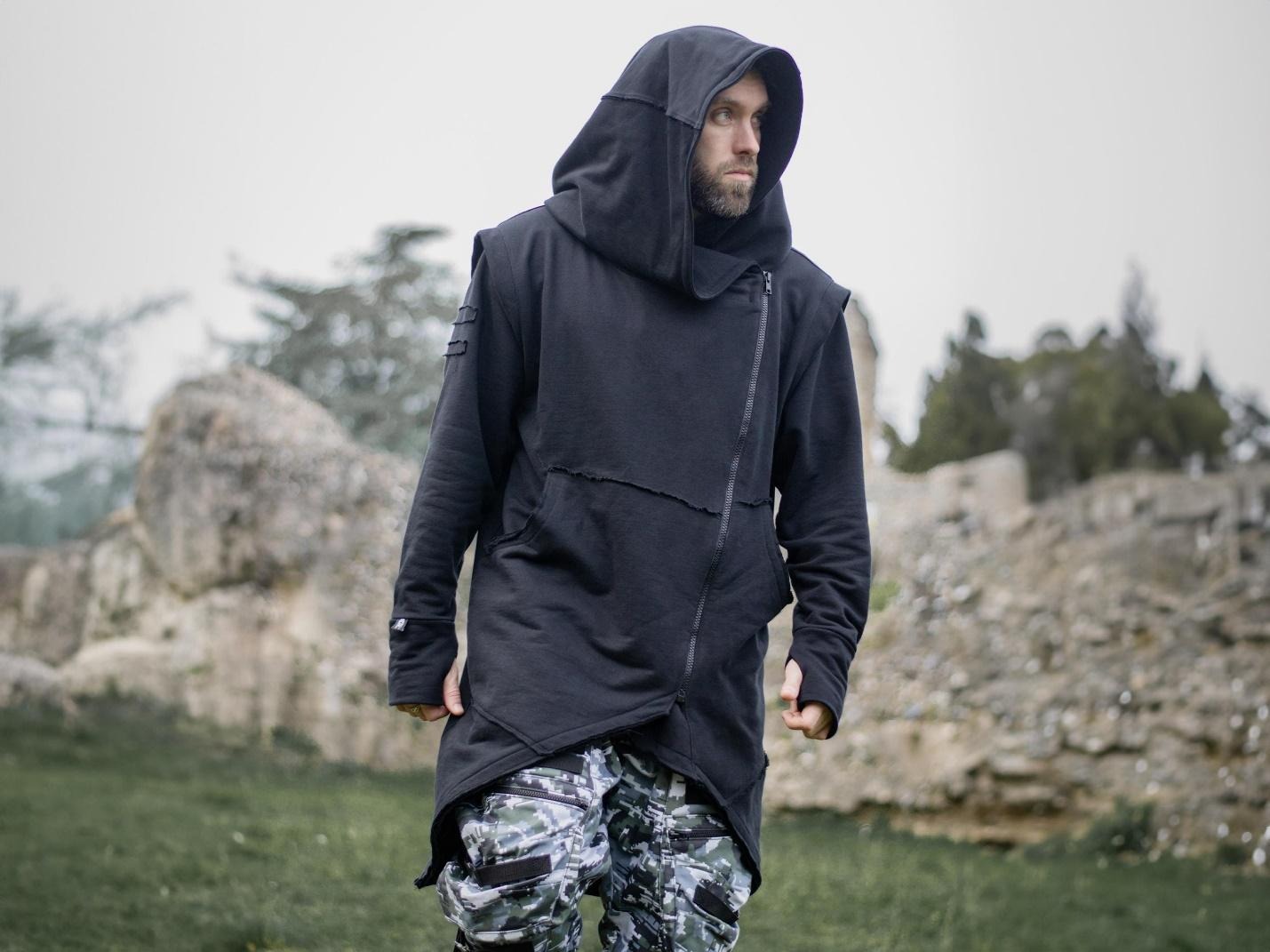
One of the main advantages is the ability to allow air circulation and absorb moisture. Breathability and hygroscopicity are especially important for the urban rhythm of life, when clothing must remain comfortable throughout the entire day.
Durability and practicality in everyday wear
Strength, durability, and practicality are what cotton has symbolized for centuries. With proper care, garments can last a long time and maintain a neat appearance. Main properties of cotton:
| Property | What it means | Benefit for clothing |
| Softness | The fabric is pleasant to the touch | Comfort in everyday wear |
| Breathability | The material allows air circulation | Clothing remains comfortable in hot weather |
| Strength | Garments withstand regular wear | Maintain an attractive appearance longer |
| Versatility | Easily combines with other fabrics | Suitable for a basic wardrobe |
| Moisture absorption | Absorbs moisture well | Less discomfort throughout the day |
Advantages and disadvantages of cotton clothing
The popularity of cotton is unwavering because it is understandable. It is a material that works well with
the skin, does not cause “electric shocks,” and allows the body to feel natural in any rhythm of life.
Why cotton clothing is comfortable for everyday wear
Quality and style are what cotton means in everyday life. Cotton clothing is considered one of the most comfortable options for daily wear. It works well for an active day, does not irritate the skin, and easily adapts to different styles — from casual to sporty and homewear. That is why cotton is used in a large number of basic garments.
What garments cotton is best suited for

The material works especially well in sportswear, homewear, and summer clothing. Where cotton fabric is most often used:
- basic T-shirts and longsleeves;
- classic shirts and blouses;
- summer dresses and sundresses;
- cozy hoodies and sweatshirts;
- pajamas and homewear;
- underwear — the gold standard of safety;
- children’s clothing from birth.
Cotton is the foundation of an everyday wardrobe. It is ideal for first-layer garments — underwear, T-shirts, shirts. In it, you will not feel as if you are in a plastic
bag during summer heat or in a stuffy office. The natural composition is ideal for children and people with allergies.
Why cotton can wrinkle or shrink after washing
At the same time, natural fabric has its own characteristics. For example, cotton can wrinkle or shrink slightly after improper washing. Cotton clothing shrinks and wrinkles because of the natural structure of the fibers, which swell from water and “relax” when heated, losing their shape. Cotton shrinks in hot water above 40°C or during machine drying, when the fibers contract. It wrinkles because of low elasticity and “memory” of shape in a damp state.
When 100% cotton is not always the best choice
A 100% natural composition is not always the best solution for garments that should stretch well or maintain their shape. For some products, manufacturers intentionally add synthetic fibers to make the fabric more elastic, easier to care for, or more durable.
100% cotton or fabric blends
When buying clothing, many people pay attention to the “100% cotton” label, considering it the main sign of quality. In reality, everything depends on the type of garment and how exactly it is planned to be worn.
When it is worth choosing 100% cotton
Pure cotton material is perfect for basic comfortable clothing, especially for T-shirts, homewear, or summer models.
Why elastane, polyester, or viscose are added to cotton
Blended fabrics often turn out to be more practical for everyday wear. Polyester and elastane in the composition provide protection against wrinkling, easier ironing, and extend the lifespan of the garment.
How fabric composition affects shape, elasticity, and durability
Modern clothing is often sewn from blended fabrics. Elastane adds elasticity — resulting in knitwear, polyester helps the fabric maintain its shape better, and viscose makes the fabric softer and more flexible. Comparison of 100% cotton and cotton blends:
| Composition | Advantages | Disadvantages | What clothing it suits |
| 100% cotton | Naturality, comfort, good breathability | May wrinkle and shrink | T-shirts, pajamas, homewear |
| Cotton and elastane | Stretches better and holds shape | Less natural | Jeans, fitted and body-hugging garments |
| Cotton and polyester | More durable and practical | Worse breathability | Hoodies, sportswear, casual |
| Cotton and viscose | Softer and more flexible | May be less durable | Dresses, shirts, lightweight clothing |
How to choose quality cotton clothing
The quality of clothing made from cotton fabric depends not only on the composition but also on the density of the fabric, tailoring, and fit. Even natural material can look cheap or quickly lose its shape if the manufacturer saved money on seam finishing.
What to look at in fabric composition
Check for the presence of blends and their percentage.
Why material density matters
Not all cotton is the same. Sometimes a T-shirt for 7 $ looks like a rag after
a week, while another lasts for years. Look not only at the price, but also at the density — quality
cotton should not be transparent unless it is intended by the design.
How to evaluate tailoring quality, seams, and fit
When choosing, it is worth paying attention to how dense the fabric looks, whether it is see-through, and how it behaves in your hands. It is also important to evaluate the neatness of the seams, the straightness of the stitching, and the fit of the garment. These little details often determine how long the item will maintain a neat appearance. Checklist before purchase:
- composition;
- density;
- seasonality;
- fit;
- quality of seams;
- care recommendations.
Check the seams. They should be even, without protruding threads. Stretch the fabric — quality material should quickly return to its original shape.
How to care for cotton clothing
Ukrainian cotton is not considered a difficult fabric to care for, but improper washing can ruin even a quality product. Most often, problems arise because of water that is too hot or overdrying the fabric.
How to wash cotton so it does not shrink
To prevent cotton clothing from shrinking, it should be washed according to the recommendations on the label. For most garments, a moderate water temperature and delicate cycle are suitable.
How to dry and iron cotton garments
It is better to dry clothing without excessive overheating and to iron it according to the type of fabric, the presence of blends, and the density of the material.
How to store clothing so it does not lose shape
Cotton garments can be stored both on a hanger and folded, depending on the style of the item. The main thing is that the fabric does not deform during storage.
What cotton symbolizes in modern clothing
To understand what cotton is, it is worth considering its properties. Today, the fabric is associated with naturalness and a comfortable lifestyle. It is a material that does not require complicated stylistic decisions and easily fits into a modern wardrobe. That is why cotton clothing is often chosen by people who value practicality, simplicity, and versatility.
Naturality, simplicity, and comfort
Cotton is not just a fabric, it is a synonym for coziness that we put on
ourselves every morning.
Why cotton is associated with a basic wardrobe
Cotton has long become the foundation of a basic wardrobe. It is suitable for people of any age, different seasons, and lifestyles.
Who cotton clothing is best suited for
Such clothing works especially well for those who love comfortable everyday garments without unnecessary сложности in care or styling. Clothing and underwear made of cotton do not lose relevance because they combine simple but important things — comfort, naturalness, and versatility. And while fashion constantly changes, cotton continues to remain a material people want to return to again and again.