

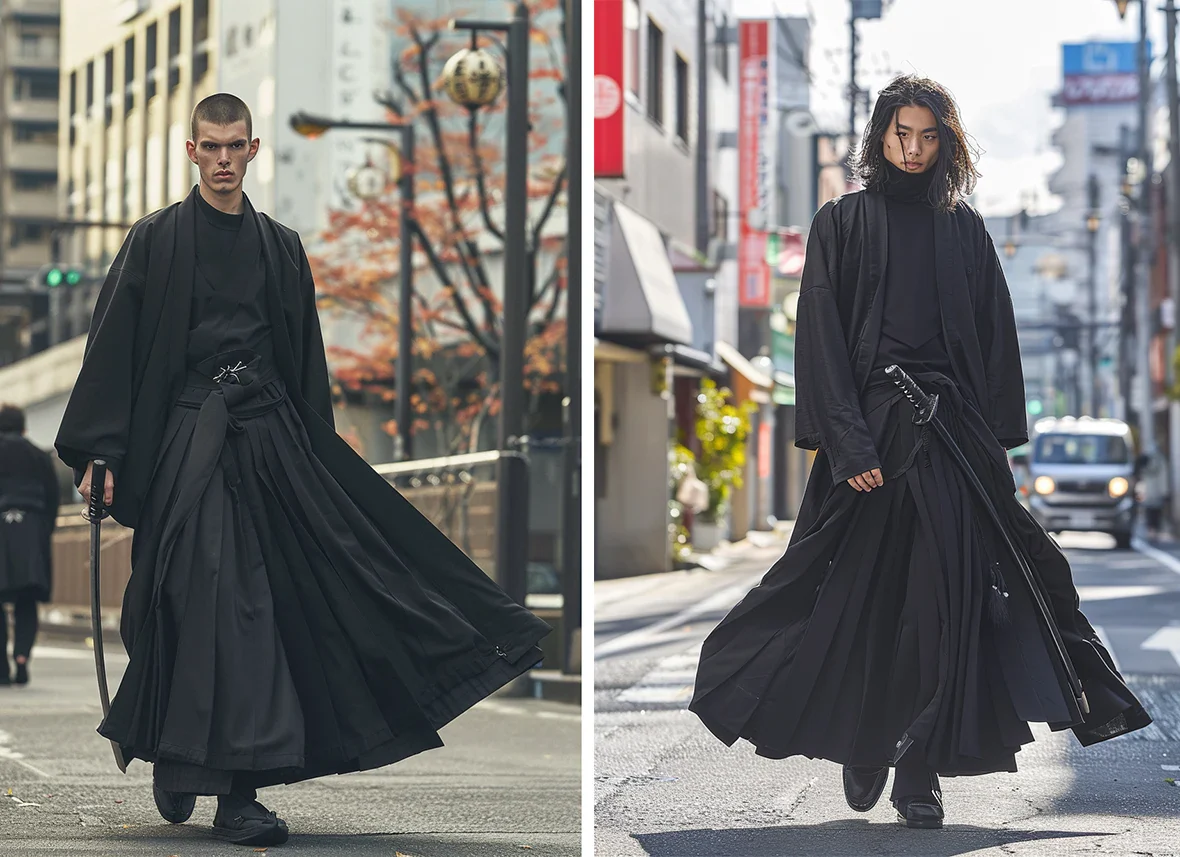
“Wake up, samurai, we have a world to modernize!” — this call became a manifesto for a generation that chooses functionality, meaning, and depth in clothing. Japanese culture is not just a source of inspiration, it is an entire universe that shaped the identity of the TUR WEAR brand. We intertwine the ancient traditions of the East with the aggressive modernism of our time.
Japanese culture as the foundation of modern fashion aesthetics
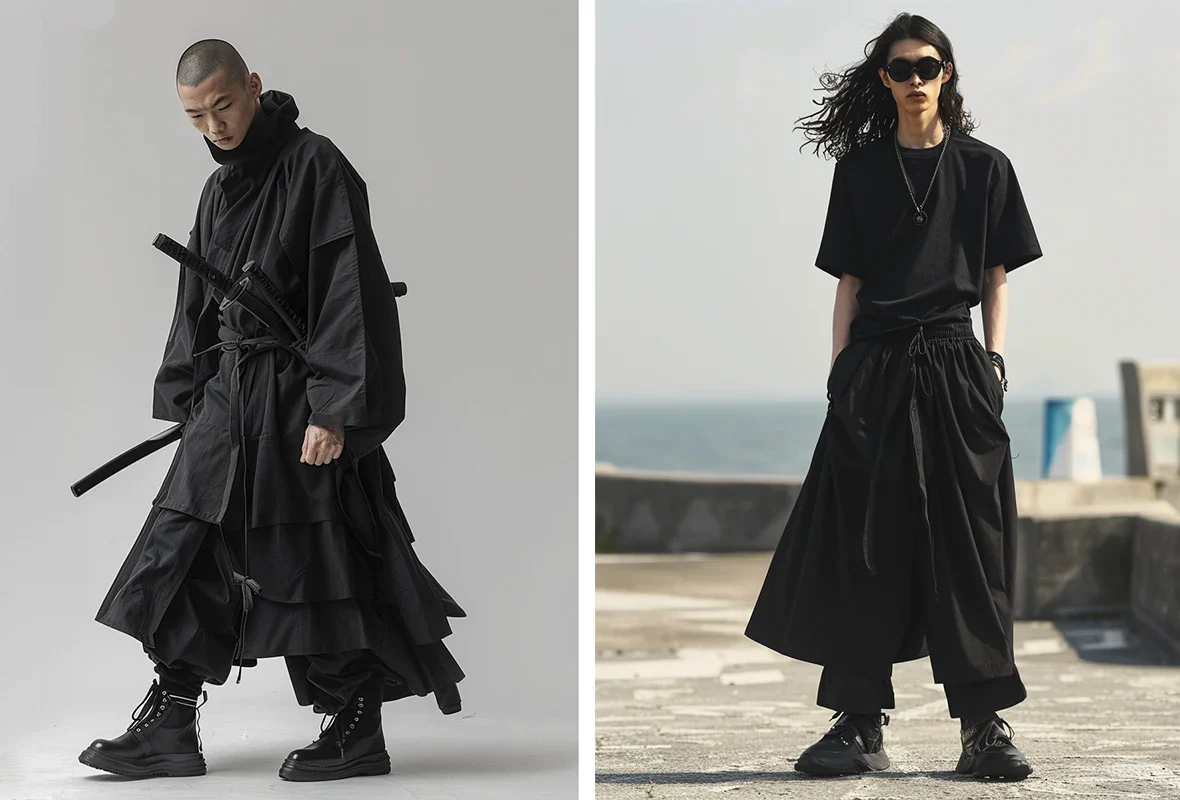
Why exactly do Japanese culture and traditions have such a colossal influence on global streetwear? The answer lies in the philosophy of perceiving the world. Japanese aesthetics are based on the principles of minimalism, layering, and balanced asymmetry. This is “Bushido” (the way of the warrior) embodied in the cut of fabric.
Main features of Japanese aesthetics in modern fashion:
- Functionality. Every detail, from a pocket to a fastening, has a practical purpose.
- Freedom of silhouette. Oversize and loose cuts that do not restrict movement.
- Monochrome. The dominance of black, deep gray, and indigo color.
- Respect for material. The use of high-quality cotton, linen, and technological denim.
Traditional Japanese clothing in modern fashion
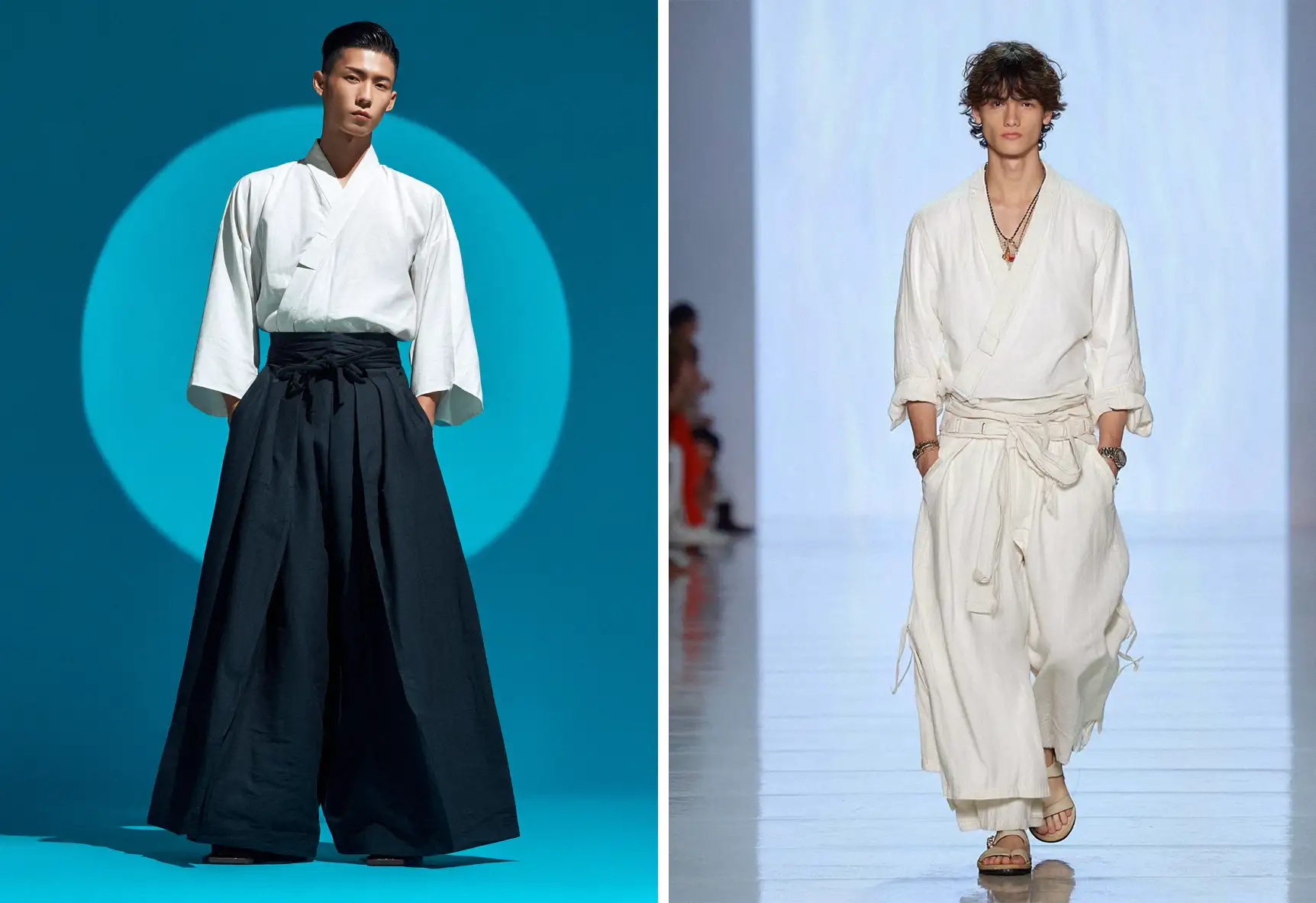
Modern Japanese fashion is the result of the deconstruction of historical clothing and its adaptation to the demands of cyberpunk and techwear. Traditional elements have transformed into utilitarian garments that we wear every day.
Kimono, haori, and obi: how traditions moved into the wardrobe
| Traditional element | Its key feature | Modern interpretation in TUR WEAR |
| Kimono | T-shaped loose silhouette | Technological kimono jackets and cardigans |
| Haori | Cape with wide sleeves | Light summer jackets, oversize shirts |
| Obi | Wide rigid belt | Strap systems, tactical belts, and straps |
| Tabi | Split-toe footwear | Futuristic footwear models and sneakers |
Japanese fashion masterfully works with volume and fabric movement, allowing the creation of looks that appear dynamic even in stillness.
Samurai style: how historical aesthetics became a fashion direction
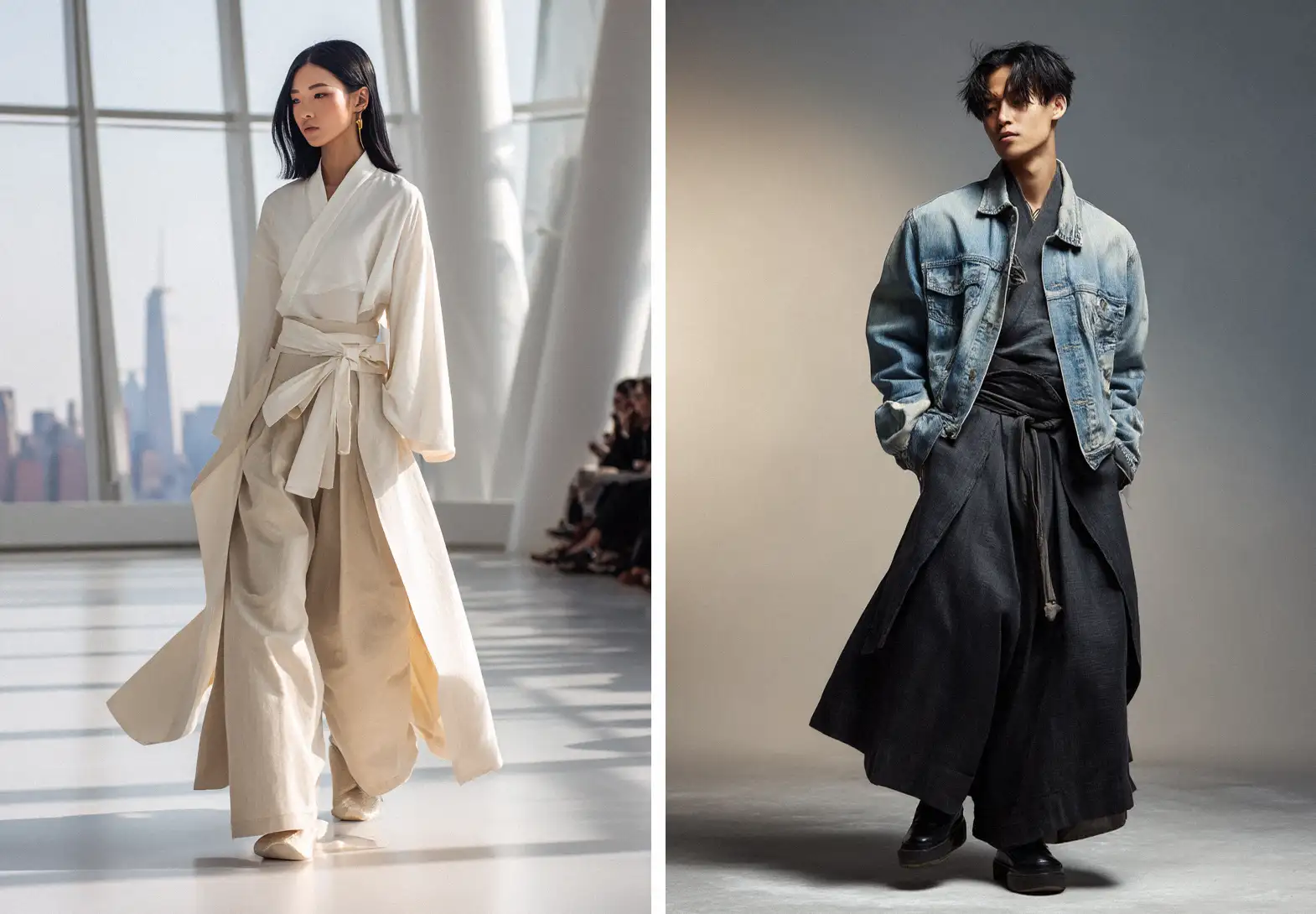
Samurai style in 2026 is not a carnival imitation of armor. It is the use of silhouettes, lines, and a sense of discipline in clothing. The modern urban samurai chooses garments that provide a feeling of protection and confidence.
7 signs of samurai aesthetics in modern clothing:
- Oversize silhouette that creates visual volume and grandeur.
- Low crotch in pants (an allusion to traditional hakama trousers).
- Accent belts or straps that emphasize the waist and add utility.
- The use of dense fabrics that hold an architectural shape well.
- Asymmetrical fastenings and unconventional collars.
- Restrained, almost severe color palette.
- Layering, where each next layer complements the previous one.
Japanese fashion and streetwear: from Harajuku to global trends
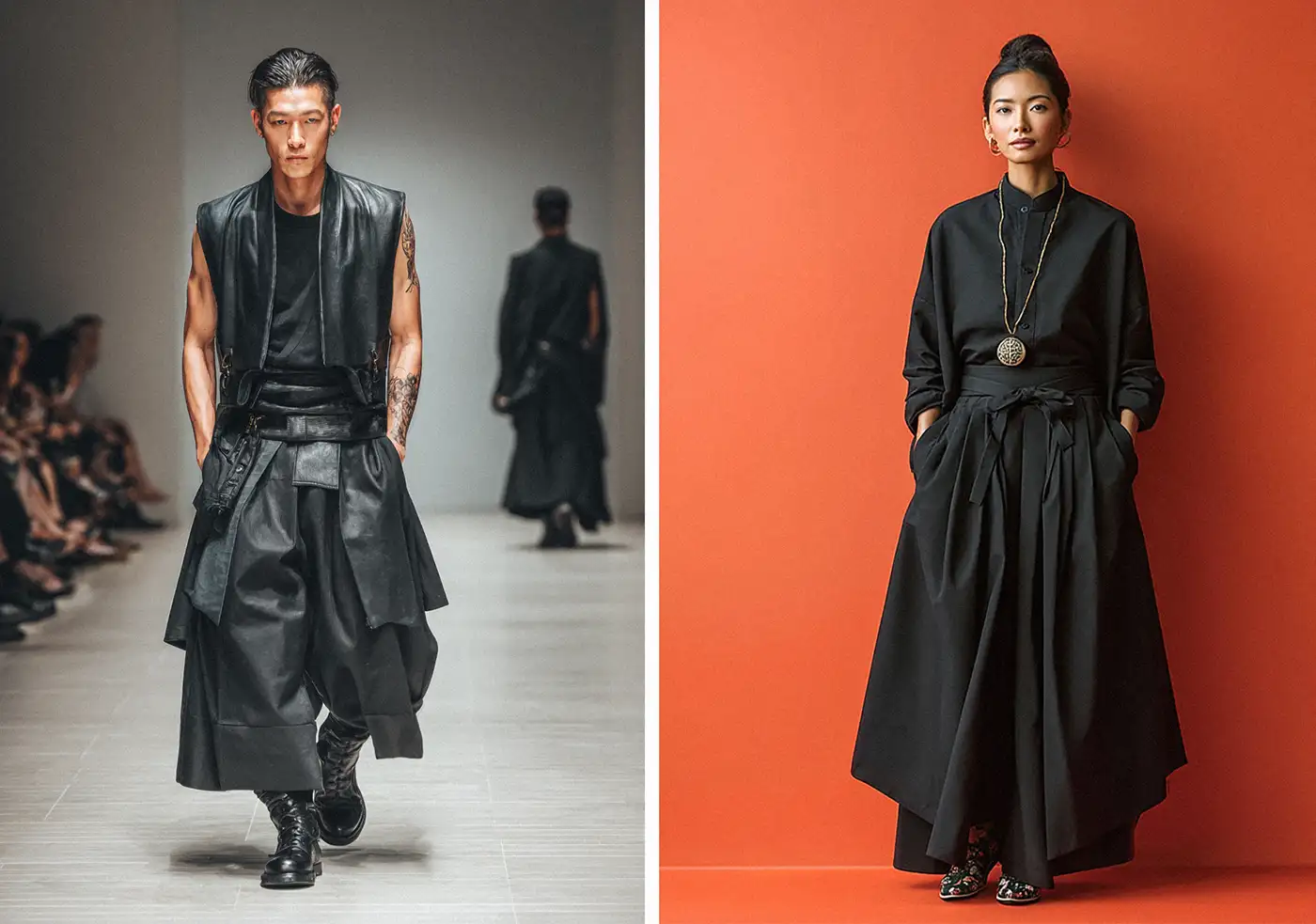
The Harajuku district in Tokyo became the place where street fashion in its modern understanding was born. Here, ancient traditions mixed with avant-garde design. It was Japanese streetwear that taught us that clothing can be a manifesto. In TUR WEAR collections, we continue this tradition, creating garments for those who want to stand out or, on the contrary, dissolve into the urban twilight.
Urban Samurai: a modern urban image in Japanese aesthetics
Who is the urban samurai?
He is a resident of a large city, a warrior of the concrete jungle, who maintains inner calm and readiness for action. His wardrobe is a flawless balance between aesthetics and technology.
How to create an Urban Samurai look
- Oversized outerwear. Start with a loose kimono jacket or an elongated coat.
- Wide pants. Our cargo pants or joggers with a large number of pockets reinterpret historical silhouettes.
- Layering. Use elongated longsleeves and vests as intermediate layers.
- Accents. Add a strap system — this is a modern interpretation of the obi belt that adds aggressiveness to the look.
| Element of the look | How to wear it correctly | What to strictly avoid |
| Kimono jacket | With basic T-shirts and longsleeves | Ties and classic shirts |
| Wide cargo pants | With high sneakers or massive footwear | Thin sneakers or classic shoes |
| Black color | Play with the difference in textures (cotton + nylon) | Faded and worn fabrics |
How to adapt Japanese aesthetics into an everyday wardrobe
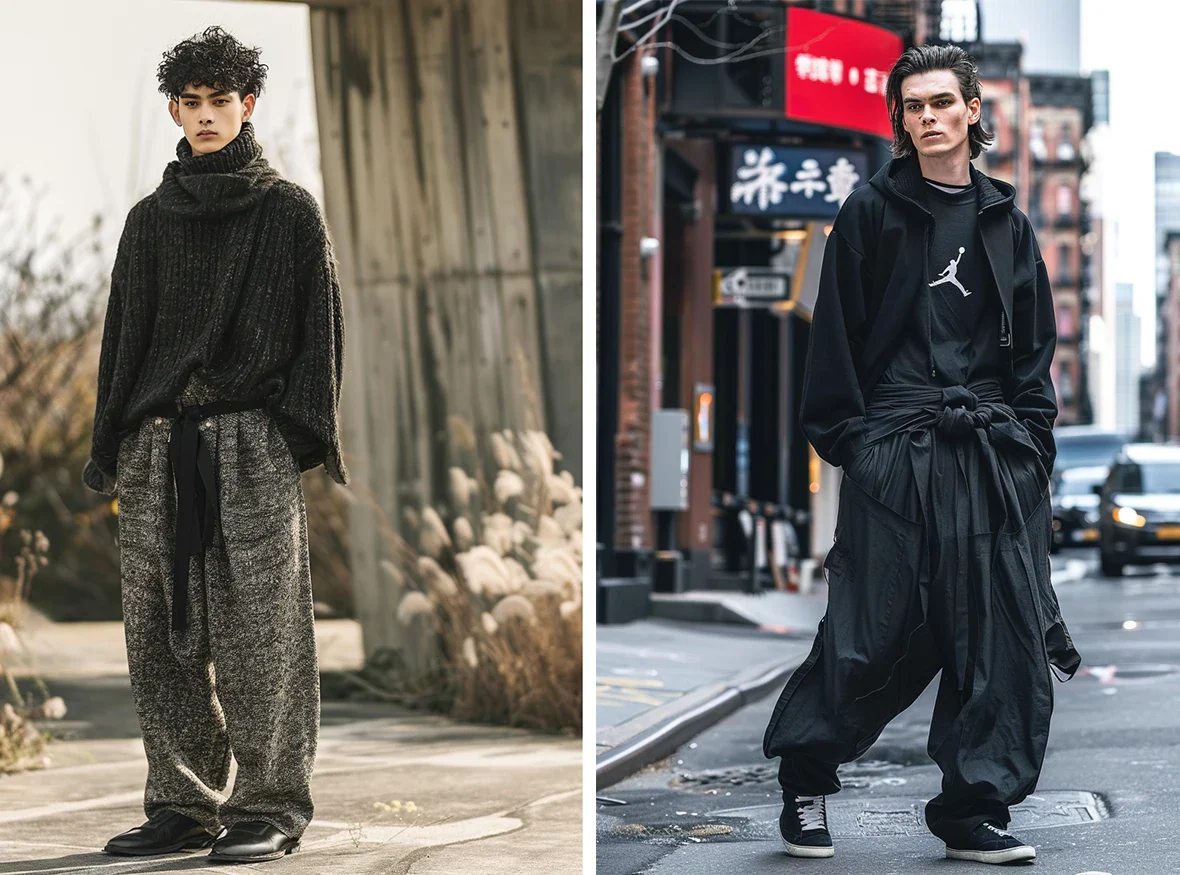
You do not necessarily need to build a full “samurai” wardrobe. It is enough to integrate one or two elements:
- For minimalists. A straight coat without unnecessary details combined with wide pants.
- For streetwear. An oversize shirt with a Japanese cut and jeans.
- For smart casual. A laconic kimono over a basic hoodie.
Typical mistakes in styling Japanese fashion
- Excessive “costume-like” appearance. You are not a Kabuki theater actor. Clothing should be appropriate for an urban environment.
- Random hieroglyphs. Do not wear garments with prints whose meaning is unknown to you.
- Mixing styles. Do not confuse samurai aesthetics with the image of a ninja or anime heroes without understanding the context.
- Ignoring quality. Real Japanese aesthetics are built on a perfect seam and expensive fabric.
By choosing the path of Urban Samurai, you choose not just a style, but the philosophy of TUR WEAR — wisdom, pride, and the steadfastness of a true tur.